

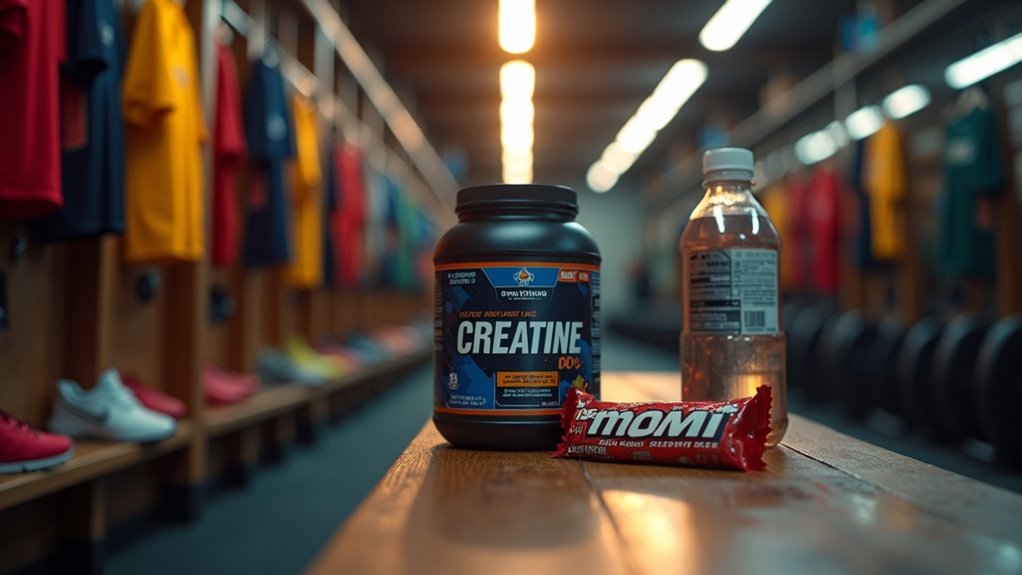
Creatine for young people—it’s a hot topic, and for good reason. Nearly 12% of U.S. high school seniors have jumped on the creatine bandwagon in recent years. That’s a spike from 2021 to 2022, proving young athletes are keen to gain an edge. And let’s not even get started on the elite crowd—36.1% of UK adolescent athletes use it. Do you think those numbers are a coincidence? Nope. It’s all about competition, baby. Football, wrestling, hockey—where the stakes are high, creatine is often found in the locker room.
Creatine use among young athletes is skyrocketing, driven by the fierce competition in sports like football and wrestling.
But what’s the big deal? Creatine claims to help with performance. Studies show that short-term use can improve skills like sprinting and jumping. In fact, 97% of self-reported young users felt it gave them a boost. Great, right? But hold your horses. Evidence supporting consistent performance improvement is a bit shaky. More research is needed, and not just because they forgot to include the “Do Not Try This at Home” disclaimer. Additionally, short-term creatine supplementation may offer benefits for quick, explosive movements, which is particularly appealing to young athletes.
Now, let’s chat safety. Most studies suggest that short-term use has minimal downsides. The biggest complaint? Weight gain—often a welcome change for many athletes. But, and it’s a big but, the long-term effects on health and development are still a mystery. Reports show mild side effects like cramps, dehydration, and nausea. Nothing too alarming, but still, 26% of young users reported side effects. That’s a significant number. Understanding health ethics is crucial when considering supplements for young athletes.
And here’s where it gets messy. A lot of youth are using creatine without a doctor’s nod. That’s right; around 12% of high school seniors are getting their fix without any medical supervision. Sports organizations are cautious, and for good reason. The long-term safety data is practically nonexistent. So, the question lingers—are young athletes risking their health for a performance edge? The answer isn’t so clear-cut.