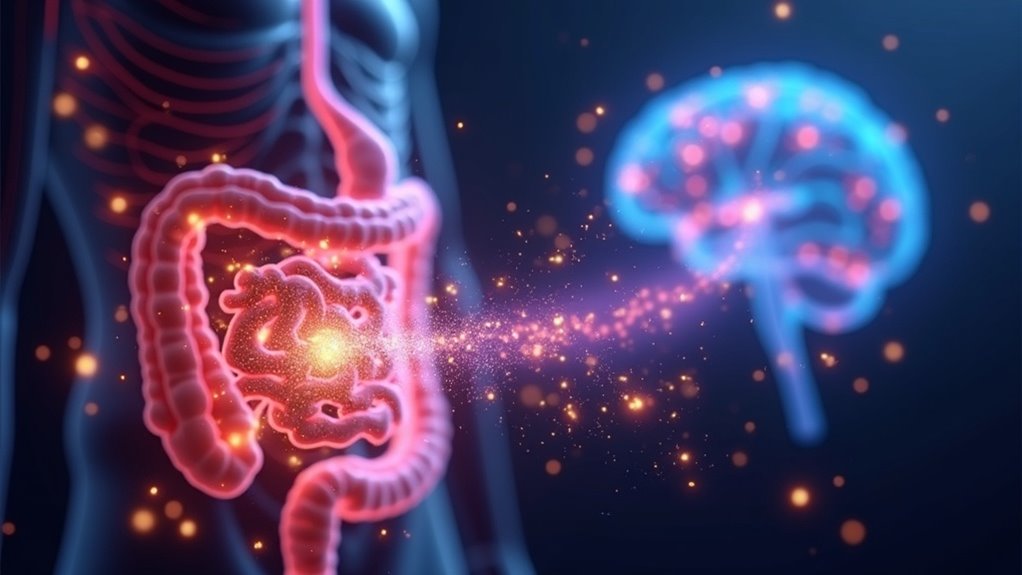

The gut and brain connection is a wild ride that’s just begging for attention. It’s not just about munching on snacks while binge-watching your favorite shows. Your gut is a sensory powerhouse, packed with specialized neuropod cells that form direct connections with the vagus nerve. Seriously, it’s like a communication hotline between your stomach and brain. These cells can detect sugar and even artificial sweeteners faster than you can say “calorie count.” Talk about a quick response team.
In this gut-brain tango, neuropod cells influence food preferences and appetite suppression quicker than traditional hormone pathways. They even respond to microbial protein like flagellin, signaling the brain to slow down on the eating front. Disrupt this pathway in mice, and they’ll just keep munching away, leading to unwanted weight gain. Sounds familiar, doesn’t it? This discovery sheds light on the real-time communication system between gut microbes and the brain, emphasizing the significance of gut signaling.
The vagus nerve doesn’t just whisper sweet nothings; it carries rapid signals that guide real-time behavior. Forget the old-school communication routes; the gut has its own nerve network. It’s also implicated in Parkinson’s disease, with research suggesting that α-synuclein spreads from the gut to the brain. Yikes! Gut-brain signaling is vital for understanding how these pathways affect overall health and emotional well-being.
The vagus nerve is a speedy messenger, influencing behaviors and even linking gut health to Parkinson’s disease. Yikes indeed!
Hormones are also in the mix, playing a dual role in this complex relationship. GLP-1 receptor agonists are being explored to tackle obesity by tapping into that gut-brain axis.
And let’s not forget the microbiome—those tiny critters in your gut produce flagellin, which nudges neuropods to keep your appetite in check. Disruptions in this ecosystem? They might mess with your mood, eating habits, and even brain evolution.