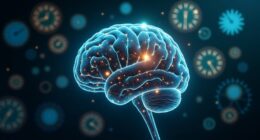
When it comes to the human body, most people think of the brain as the ultimate control center. But hold up! There’s a whole other player in the game—the Enteric Nervous System (ENS), often dubbed the “second brain.” This complex, mesh-like network of neurons is woven right through the walls of the gastrointestinal tract and has over 500 million neurons. Yep, you read that right! That’s more than some small countries have in their population.
So, what does this “second brain” do? It runs the show down there. The ENS can even operate on its own, keeping the gut chugging along without needing the central nervous system’s help. It coordinates muscle contractions for food propulsion, regulates blood flow, and even dabbles in immune system modulation. Talk about multitasking! Additionally, the ENS consists of over 100 million nerve cells, organized to manage various digestive functions efficiently.
The ENS is a multitasking powerhouse, running gut operations independently while juggling muscle contractions, blood flow, and immune responses!
But here’s where it gets interesting. The ENS has a bit of a dual personality. When it detects harmful agents, it can go into attack mode, launching a defense against pathogens. This includes triggering inflammation and activating the immune system. The interconnectedness of bodily systems emphasizes that if it gets overzealous, it can contribute to conditions like irritable bowel syndrome. Chronic stress? Yeah, that can make things worse, too.
On the flip side, when the coast is clear, the ENS switches to repair mode. It promotes healing of the gut lining by managing blood flow and secreting factors that help tissue regeneration. It even influences the balance of gut microbiomes, supporting beneficial bacteria that play a role in recovery.
What’s even wilder? The ENS communicates with the brain—via the vagus nerve, no less—affecting mood and stress levels. So, the next time you feel a gut feeling, remember, it’s not just your stomach; it’s your second brain talking to you, deciding whether to attack or repair. It’s a tough job, but someone’s gotta do it!