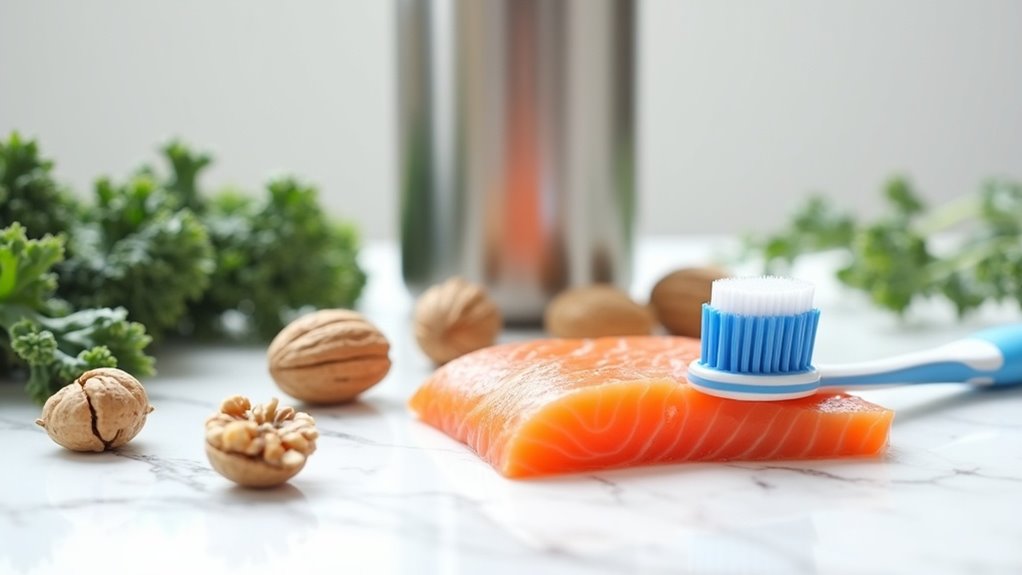

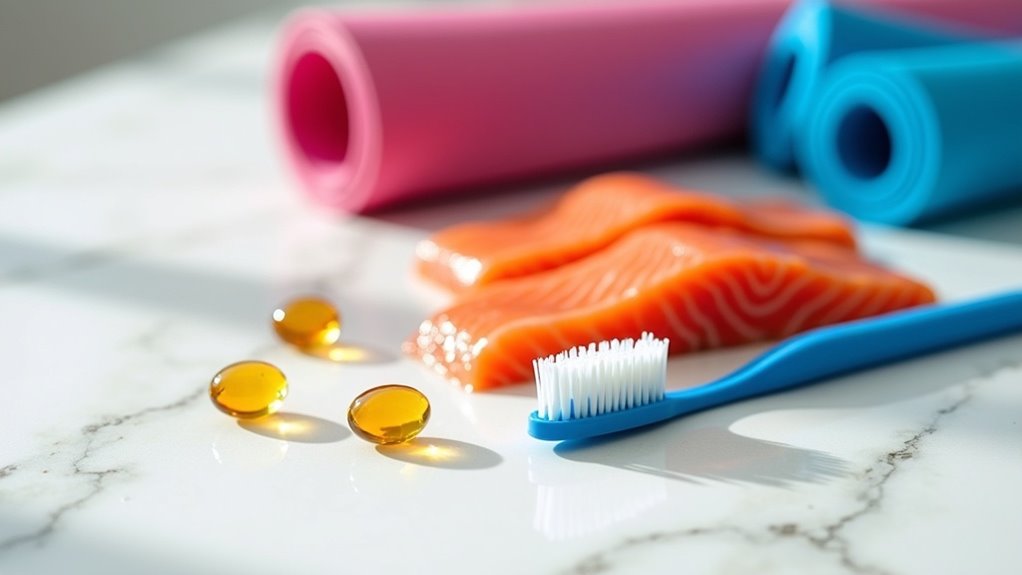
Despite what most people think, the connection between breaking a sweat and maintaining healthy teeth isn’t exactly straightforward. Sure, regular exercise slashes gum disease risk by 54%. That’s impressive. But here’s the kicker—intense workouts actually decrease saliva production, leaving teeth more vulnerable to decay and erosion.
The exercise-dental health connection isn’t black and white—regular workouts slash gum disease risk, but intense training actually harms teeth.
Professional athletes, supposedly the pinnacle of health, tell a different story. They show dental caries rates between 20-84%, erosion rates of 42-59%, and gingivitis affecting 58-77% of them. So much for that glowing health image.
The culprit? Those brightly colored sports drinks that athletes guzzle like water. They’re loaded with sugar and citric acid, basically giving teeth a chemical bath they never asked for. Add jaw clenching during strenuous activity, and you’ve got a recipe for tooth wear and cracks. Mouthguards help, but most people skip them. Like registered nurses, athletes need to prioritize their health while maintaining demanding schedules.
Here’s where things get interesting. Lower BMI and recommended exercise levels reduce periodontal disease risk by 40%. Physically active individuals show lower levels of oral inflammatory biomarkers. The boost in insulin sensitivity from exercise helps mitigate type II diabetes, which is a major risk factor for gum disease. Exercise often leads to healthier life choices that benefit oral hygiene routines.
But exercise changes the game in ways researchers are still figuring out. Saliva flow rate and pH shift after severe physical training. The oral environment gets altered salivary protein expression—more lactotransferrin and alpha-amylase 1, to be specific. Heavy mouth breathing during intense workouts compounds the saliva reduction problem.
Enter omega-3 fatty acids, the unsung heroes of oral health. These anti-inflammatory powerhouses decrease gum inflammation markers and tissue breakdown. EPA and DHA, the dominant omega-3s, reduce gum pocket depth and attachment loss in clinical studies. They enhance immune function, balance inflammatory cytokines in gum tissues, and may even influence salivary composition to support oral defense proteins.
The synergy between exercise and omega-3-rich diets creates a sweet spot. Exercise encourages consumption of nutrient-rich, high-fiber foods that benefit dental health. Diets rich in omega-3s and low in sugar promote favorable oral microbial balance.
The bottom line? Your toothbrush handles the basics, but the real game-changers happen at the cellular level.