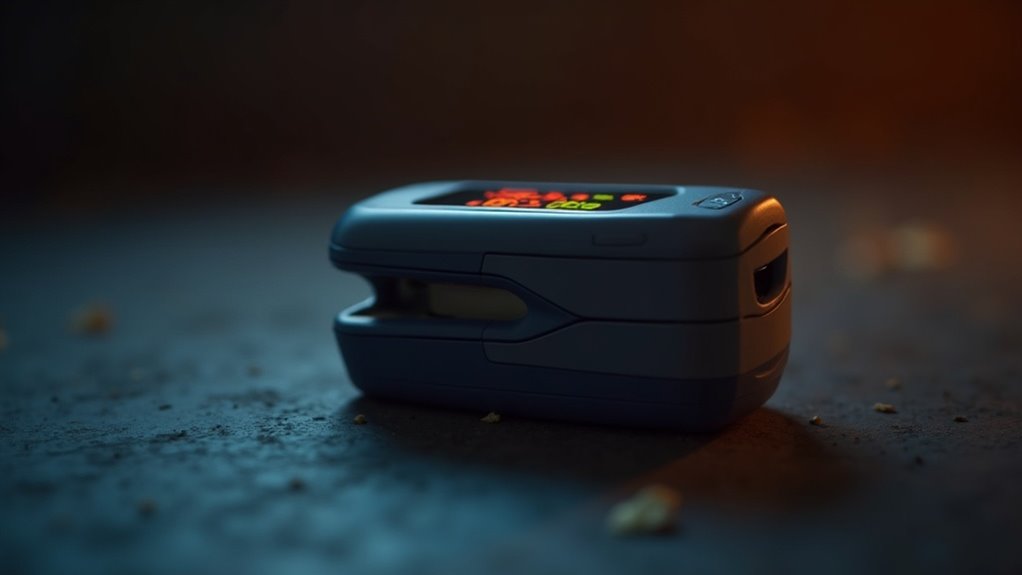

When it comes to pulse oximeters, one might think they’re all created equal. Spoiler alert: they’re not.
For decades, studies have shown that these little gadgets aren’t quite as reliable for people with darker skin. It’s a problem that was shoved into the spotlight during the COVID-19 pandemic when these devices became household staples. Suddenly, everyone was discovering that pulse oximeters were systematically overestimating blood oxygen levels in darker-skinned individuals. Yikes.
Let’s break it down further. The science behind this mess involves melanin, that magical pigment in our skin. It messes with light absorption, throwing off the oximeter’s readings. Picture it: the device thinks there’s more oxygen than there actually is because darker skin absorbs light differently. This is not a new revelation, folks. For years, researchers have been waving red flags, but the data was mostly retrospective. This means it lacked the rigorous spotlight needed for conclusive studies.
The science is clear: melanin messes with oximeter readings, leading to inaccurate oxygen level assessments in darker skin.
Fast forward to recent years, and the FDA finally took notice, funding studies to gather solid data. And what did they find? Well, surprising results from the EquiOx study at UCSF contradicted decades of research. Instead of overestimating oxygen levels, these oximeters were found to underestimate them. The study aimed to understand differences in device effectiveness on darker skin tones].
But don’t get too comfy—darker-skinned patients still had higher readings than their lighter-skinned counterparts. It’s like a slap in the face: “Congratulations, your device is still lying to you!”
In fact, out of 28 studies, a whopping 22 showed that blood oxygen levels were overestimated in darker skin. The bias was shocking, with readings for Black subjects being consistently higher than for white subjects. Studies indicate that darker skin tones are associated with a higher risk of false negatives in hypoxemia diagnosis, highlighting the urgent need for improvement.
It’s clear that current calibration algorithms are stuck in a time warp. Until something changes, the glaring disparities in medical technology show that pulse oximeters might just have a serious identity crisis.