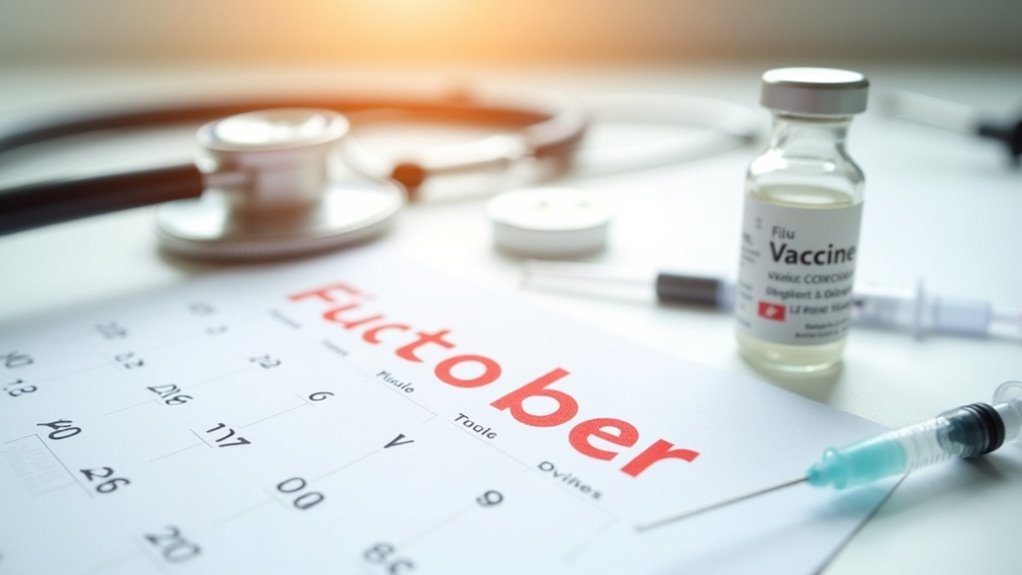

As flu season rolls around, many people find themselves grappling with a vital question: Should I get the flu shot, or is it all about the COVID vaccine now? It’s a real dilemma. Sure, COVID is still a big deal, but let’s not forget about the flu.
Timing can make or break your flu shot effectiveness. According to the CDC, September and October are the golden months for flu vaccinations. Why? Well, it gives you a fighting chance before the flu season really kicks in. But if you think you can just stroll in for a shot in December, think again. Vaccination should start early for children aged 6 months to 8 years who require two doses, while one-dose recipients can wait until fall. Additionally, it is crucial for immunocompromised patients to receive their vaccinations to reduce hospitalization risks.
Timing is everything for your flu shot; September and October are key months to get vaccinated before the flu hits hard.
Vaccine effectiveness begins to drop pretty fast—around 9% every month. So, if you’re thinking, “I’ll just wait,” you might be rolling the dice. In fact, if you get your shot in mid-to-late October, you’re setting yourself up for better protection that lasts through February and March. That’s a solid plan.
Now, how effective is the flu shot anyway? Well, on average, it’s about 41%. Kids fare better at 53%, while older adults—sorry, folks—only get about 26%. But hey, something is better than nothing, right?
It’s important to know that the vaccine’s peak performance occurs just a few weeks after you get jabbed. After about 135 days? You might as well be taking a sugar pill.
And let’s not forget our immunocompromised friends and older adults. They need this vaccine like a fish needs water. It reduces hospitalization risk and even lowers the all-cause mortality rate.