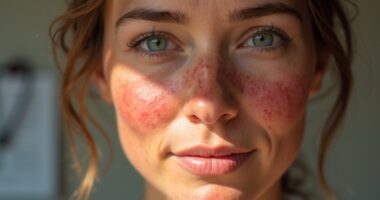
When it comes to scars, not all are created equal—just ask anyone sporting a facial scar versus one on their body. Facial scars, folks, have it rough. They’re out there, exposed to the sun’s merciless UV rays and dry air, while body scars are cozily protected by clothing. It’s like the difference between sunbathing and staying inside with a cozy blanket.
Facial scars face moisture loss too, leading to redness, itchiness, and pain. Just what you want, right? Meanwhile, body scars get a break from that kind of dehydration. They’re wrapped up, keeping their moisture and oxygen balance intact, which is vital for healing. Maintaining moisture is crucial for optimal healing, especially for facial scars that risk losing it faster due to exposure.
Facial scars suffer from moisture loss, causing redness and itchiness, while body scars enjoy a cozy, protected healing environment.
But let’s discuss friction. Body scars, especially on the feet, are constantly rubbing against socks and shoes. Ever had a blister? Imagine that all the time! Joint areas like knees and elbows? They’re in motion, making healing a nightmare. And tight clothing? Yeah, that can irritate body scars, too.
On the flip side, facial scars don’t have to deal with such mechanical stress. Lucky them.
Now, let’s explore the science of it all. Scar tissue is a hot mess. Normal skin has a nice basketweave collagen arrangement. Scars? Thick, parallel strands that mess with how light hits the skin. That’s why they look and feel different. It’s a whole structural issue.
And not all scars are created equal, either. Linear scars dominate the surgical category, but burn scars? They’re the real troublemakers.
Scar assessment tools exist for a reason. The Patient and Observer Scar Assessment Scale (POSAS) is a fancy way to rate scars’ color, thickness, and relief. But let’s be real: it’s the itching that really gets to people.
All in all, facial scars might seem worse, but science suggests the body scars have their own struggles. Who knew?