In a shocking twist that’s not exactly sending waves of surprise through the scientific community, 15 counties in South Central Pennsylvania have been identified as a skin cancer cluster. This isn’t just a minor detail; it’s a glaring red flag. These counties, a mix of rural and urban areas, are showing some seriously high rates of melanoma. Think about that. The average rate across Pennsylvania for adults over 50 is 60.4 cases per 100,000. But in these cluster counties? They’re looking at numbers that are 57% higher.
15 counties in South Central Pennsylvania reveal alarming skin cancer rates, with melanoma cases soaring 57% above the state average.
What’s the deal? Well, it turns out that counties with farmland—yes, you heard that right—are standing out like a sore thumb. More cultivated cropland equals more melanoma. Every 10% increase in agricultural land correlates with a 14% jump in cases. That’s not just coincidence; that’s a pattern screaming for attention. Additionally, local businesses are also being urged to take part in community health initiatives to raise awareness about these risks.
And guess what? Higher herbicide use isn’t helping either. A 9% increase in herbicide-treated acreage? That’s linked to a 13% rise in melanoma rates.
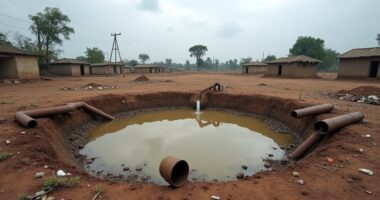
But let’s not kid ourselves; this isn’t just a problem for farmers. The whole community is in the crosshairs. It’s not just the folks working the fields; it’s everyone living nearby. Air and water pollution? Yeah, that’s a thing too. The research is ongoing, digging into how these toxins spread. It’s a mess.
Public health implications? Huge. Urban-adjacent populations are just as vulnerable. A traditional focus on UV radiation alone isn’t cutting it. There’s a desperate need for public education on protective measures. Adults in 15 South Central Pennsylvania counties are at a significantly higher risk for melanoma due to their environment.
Right now, it’s a game of catch-up. Community health surveys are essential to identify exposure patterns.