Thirteen percent of the global population lives with chronic kidney disease, yet most don’t know it. That’s roughly one billion people walking around with failing kidneys, blissfully unaware. The symptoms? Pretty much nonexistent until things get really bad.
Here’s the kicker: nearly one-third of intensive care patients experience acute kidney injury that gets missed in the early stages. By the time doctors catch it, the damage is often done. Traditional testing methods like serum creatinine and estimated GFR lag behind actual kidney damage. It’s like trying to diagnose a car crash by looking at the skid marks a week later.
Current kidney testing is frankly ridiculous. Multiple clinic visits, complex lab infrastructure, and results that come too late to matter. Meanwhile, high-risk groups with diabetes and hypertension get under-screened despite clear medical recommendations. The system is broken.
We’re screening kidneys like it’s 1985 while patients silently progress toward dialysis dependency.
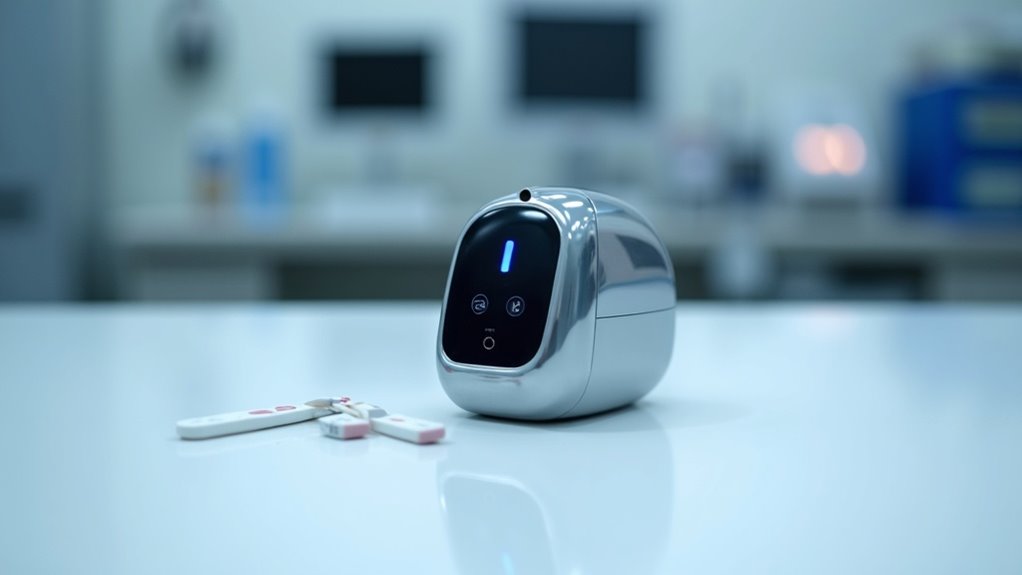
Enter rapid kidney tests. These point-of-care tests can identify acute kidney injury hours earlier than standard methods. Hours. That window matters when kidneys are shutting down. Fast results mean immediate clinical decisions and protective therapies can kick in before permanent damage occurs. RMIT University and Nexsen Limited have signed a AUD $1.125 million research contract to develop these breakthrough technologies.
The financial math is brutal but simple. Early detection prevents costly end-stage interventions like dialysis. Dialysis costs tens of thousands annually per patient. Transplants? Even more expensive. Catching kidney disease early is monumentally cheaper than managing advanced cases.
Technology is finally catching up. Tests like KidneyIntelX use AI algorithms and electronic health records to assess risk before symptoms appear. These digital platforms guide drug selection and care strategies for early diabetic kidney disease. It’s predictive medicine that actually predicts something useful.
Home-based rapid tests are in development too. Imagine monitoring kidney function like checking blood sugar. No more waiting for lab appointments or wondering if that back pain means anything serious. Avoiding excessive painkillers becomes easier when patients can monitor their kidney health in real-time.
The projected global growth in end-stage kidney disease cases makes this urgent. Either healthcare systems invest in early detection now, or they’ll pay exponentially more later managing dialysis centers and transplant programs. The choice seems obvious, but healthcare rarely chooses the obvious path.