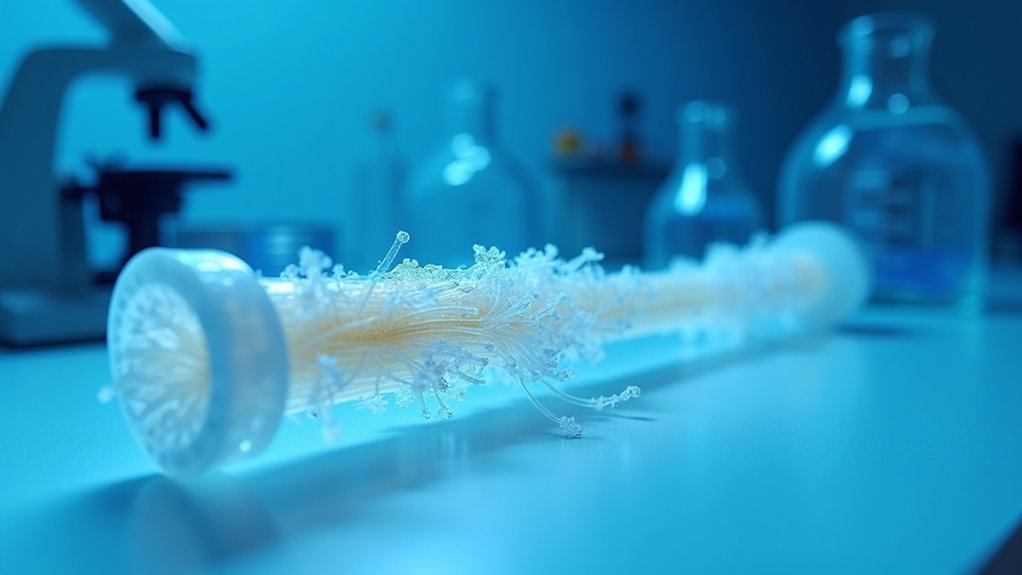

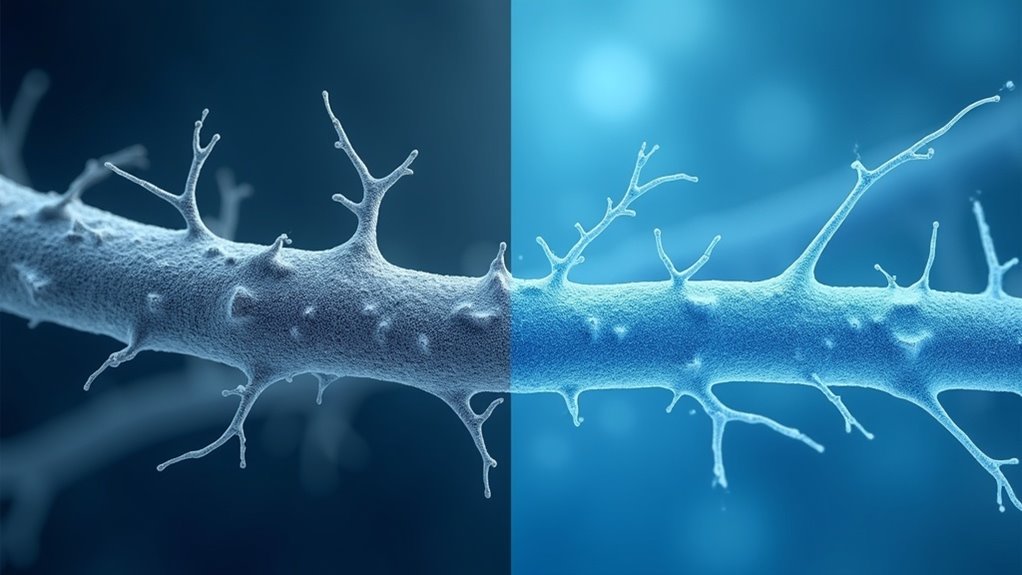
While multiple sclerosis patients have watched their immune systems attack the protective sheaths around their nerve fibers for decades, researchers have mostly fought back with drugs that calm inflammation.
Now, a new wave of treatments is flipping the script. Instead of just stopping the damage, these drugs want to fix it.
PIPE-307 from Contineum Therapeutics takes aim at the M1 muscarinic receptor. Block this receptor, and something interesting happens—oligodendrocyte precursor cells mature into myelin-producing oligodendrocytes.
Translation? New myelin wraps around damaged axons. It’s the first therapy specifically designed to kickstart adult remyelination, built on earlier discoveries about clemastine, a basic antihistamine that somehow coaxes damaged nerves to rebuild their insulation.
Speaking of clemastine, Cambridge researchers are pairing it with metformin in their CCMR2 trial. The combination works better than clemastine alone, at least in animal studies.
Early phase 2 results suggest it can repair damaged myelin in people with MS. Both drugs are already approved for other conditions—clemastine for allergies, metformin for diabetes. Repurposing existing drugs? Smart move.
The visual evoked potential test showed that signals remained constant in the drug group while slowing in the placebo group.
UC Riverside and UIUC developed K102, one of two compounds that promote remyelination while modulating immune responses. More than a decade of research went into this approach, funded by National MS Society grants.
Animal models show restored myelin and protected neurons. Cadenza Bio secured the licensing agreement to advance K102 toward clinical trials.
Convelo Therapeutics is taking a different route with CVL-1001 and CVL-2001. These drugs inhibit cholesterol biosynthesis to stimulate remyelination.
The company isn’t stopping there—they’re integrating stem cell and gene therapy platforms alongside small molecules.
Other candidates include PTD802 and FTX-101, both designed to promote oligodendrocyte function and differentiation. Numerous agents remain in preclinical stages, all chasing the same goal: actual myelin regeneration.
The pipeline expansion makes sense. No approved therapies specifically induce remyelination. Current MS drugs excel at controlling inflammation but fall short at repair.
These new approaches represent a fundamental shift from damage control to actual reconstruction. Whether they’ll deliver on their promises remains to be seen, but the strategy beats watching nerves deteriorate while inflammation gets all the attention.