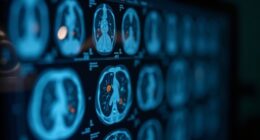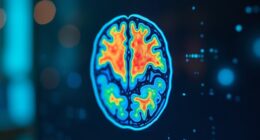

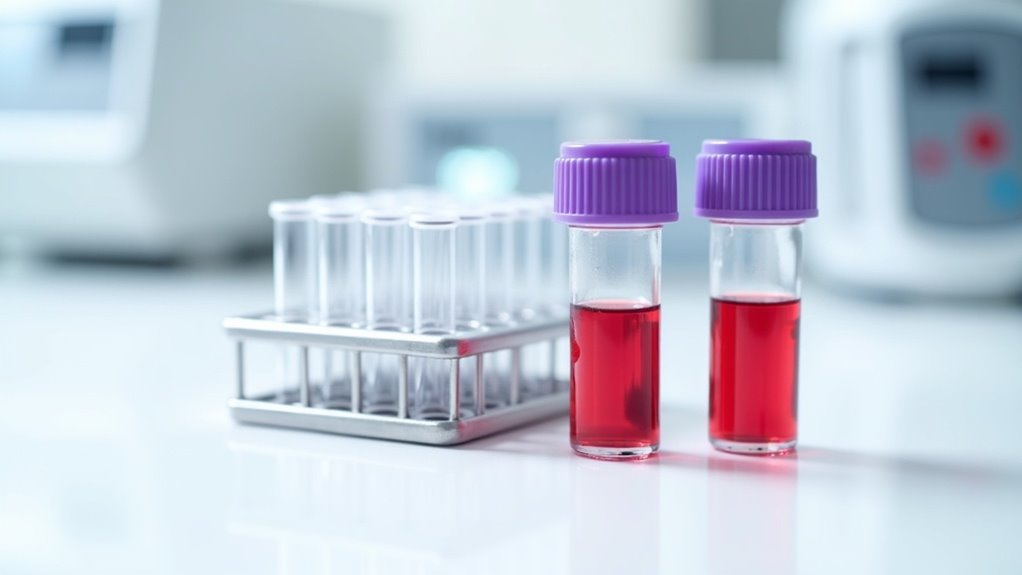
For decades, diagnosing Alzheimer’s has been a frustrating maze of cognitive tests, brain scans, and spinal taps that leave patients waiting months for answers that aren’t even reliable. Now, researchers have developed blood tests that could flip this entire system on its head.
These new tests achieve accuracy rates of 88% to 92%. That’s markedly better than the specialists who’ve been doing this for years—dementia experts only hit 74% accuracy, while the blood test reaches 90%. In primary care settings, doctors were getting it right just 61% of the time. Brutal.
The secret lies in measuring specific proteins in blood: phosphorylated tau and amyloid beta. These are the same toxic proteins that pile up in Alzheimer’s patients’ brains, creating the telltale plaques and tangles. The blood test can detect these markers without drilling into someone’s spine or sliding them into expensive PET scanners.
One Swedish study of 1,213 patients showed the blood test hitting 91% accuracy. Meanwhile, traditional clinical evaluations managed only 73% in specialty clinics. The math is pretty clear here.
The convenience factor is huge. A simple blood draw in your doctor’s office beats the current multi-step diagnostic marathon. No more waiting lists for brain scans or painful spinal fluid extractions just to get a maybe-answer. Similar to the success of Real-World Evidence in cardiovascular devices, these blood tests are validating their importance in clinical practice.
The tests work by measuring p-tau217 or p-tau181 proteins alongside the amyloid beta ratio. These biomarkers show strong agreement with the gold-standard cerebrospinal fluid tests and PET imaging. Sometimes p-tau217 alone delivers nearly the same accuracy as combining multiple markers.
But it’s not perfect. The tests struggle in very early disease stages when symptoms barely exist. There are also concerning accuracy gaps across racial groups—58% accuracy in Black patients versus 87% in White patients. That disparity demands attention.
Two blood tests have already received FDA approval, and they’re being rolled out in primary care settings. The goal isn’t to replace thorough clinical assessment but to streamline the initial screening process. However, these tests should be part of a comprehensive diagnostic approach that includes medical history, neurological exams, and neuropsychological testing. Blood tests could also increase access to disease-slowing drugs that require early detection for maximum effectiveness.
For families watching loved ones slip away while waiting for answers, these tests represent hope for faster, more accurate diagnoses.