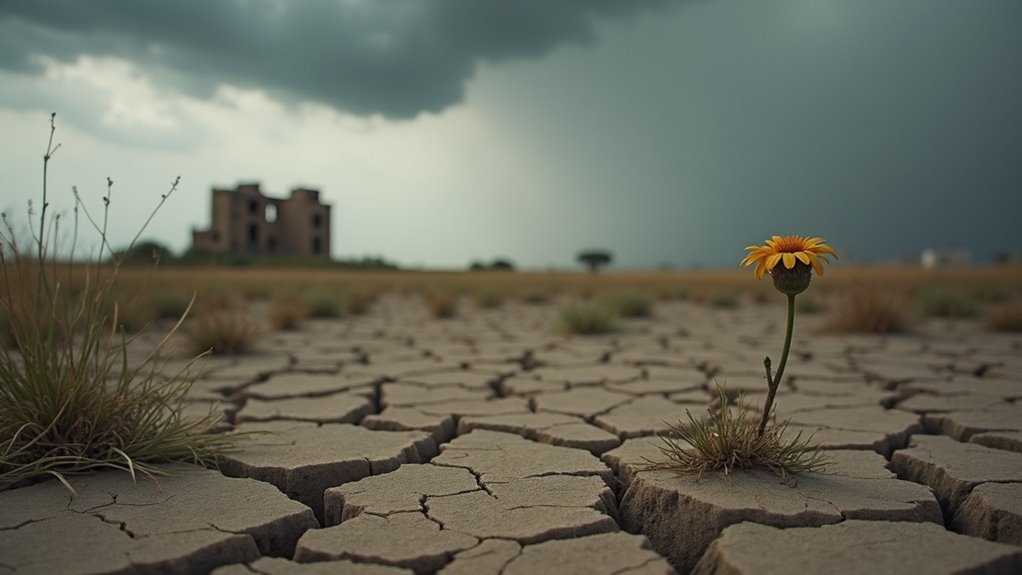

What happens when global aid takes a nosedive? Well, brace yourself—it’s a nightmare. A recent grim study indicates that cuts in official development assistance (ODA) could lead to an additional 9.4 million preventable deaths by 2030. Yes, you read that right. Millions of lives hang in the balance, and it’s not just numbers; it’s real people. Among them, 5.4 million children under five could perish due to this funding crisis. Talk about a tragic sequel nobody wanted.
If you thought the U.S. was the big player in global aid, you’d be right. They’ve contributed over 40% of global humanitarian funding. But guess what? USAID is set to cut 83% of its programs by March 2025. That’s like shutting down a hospital in the middle of a pandemic. Expect over 14 million additional deaths from USAID cuts alone. It’s a shocking figure, comparable to the excess deaths seen at the peak of COVID-19.
Child mortality rates are taking a hit, too. A stunning 4.5 million kids could die from infectious diseases, thanks to these funding cuts. That’s around 700,000 extra child deaths annually. It’s as if someone decided to play with lives like they’re Monopoly money. The impact on nutrition, health services, and sanitation will be disastrous. ODA has correlated with a 23% reduction in all-cause mortality from 2002 to 2021, highlighting just how critical this funding is. Without strengthened health systems, the repercussions could be even worse.
The irony? All this after decades of progress. From 2001 to 2021, U.S. aid programs saved 91 million lives in low and middle-income countries. They tackled tuberculosis, malnutrition, and diarrheal illnesses. Now, everything’s threatened by budget cuts.
The experts are screaming, and policymakers need to listen. If funding isn’t restored, it’s a moral catastrophe. Lives are at risk. It’s time to wake up and realize that global aid isn’t just a line item on a budget—it’s a lifeline.