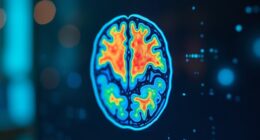
In a world where fiber seems to be the forgotten superhero of nutrition, the consequences of fiber-free processed foods are starting to look downright alarming. Research shows that refined diets are wreaking havoc on the emotional memory of aging brains.
Imagine this: old rats on these fiber-free diets are not just forgetting where they left their snacks; they’re losing critical abilities to associate fear with positive outcomes. That’s right—the amygdala, the brain’s emotional hub, is taking a major hit.
A fiber deficiency leads to a crash in butyrate levels. What’s butyrate, you ask? Only the magical compound that helps keep inflammation at bay. Without fiber, butyrate drops like a bad habit, and guess what? Brain inflammation kicks in.
In just 72 hours, the damage is done. Old rats show inflammation and memory deficits, confirming that a short-term refined diet can mess with the amygdala much faster than one might think. Aging brains are particularly susceptible—like a house of cards, one gust of wind and everything tumbles down.
The gut-brain axis is a delicate dance. Gut microbes need fiber to produce butyrate, which travels to the brain to work its anti-inflammatory magic. Without fiber, the gut becomes a chaotic mess, leading to a drop in serotonin and all sorts of emotional turmoil.
It’s a recipe for disaster. Older adults, already vulnerable, face increased risks of scams and bad decisions due to impaired fear learning. Yikes. This vulnerability is further exacerbated by the fact that refined diets can lead to a rapid decline in cognitive functions. Research indicates that impaired emotional memory correlates with refined diets in older subjects.
Let’s not sugarcoat it—fiber-free, ultra-processed diets are not doing anyone any favors. They promote chronic inflammation, leading to issues like depression and anxiety.
The numbers are stark: a 53% increase in the odds of depressive symptoms associated with ultra-processed foods. It’s enough to make anyone rethink that bag of chips.
Fiber might seem boring, but in the battle for emotional health, it’s the unsung hero we can’t afford to ignore.