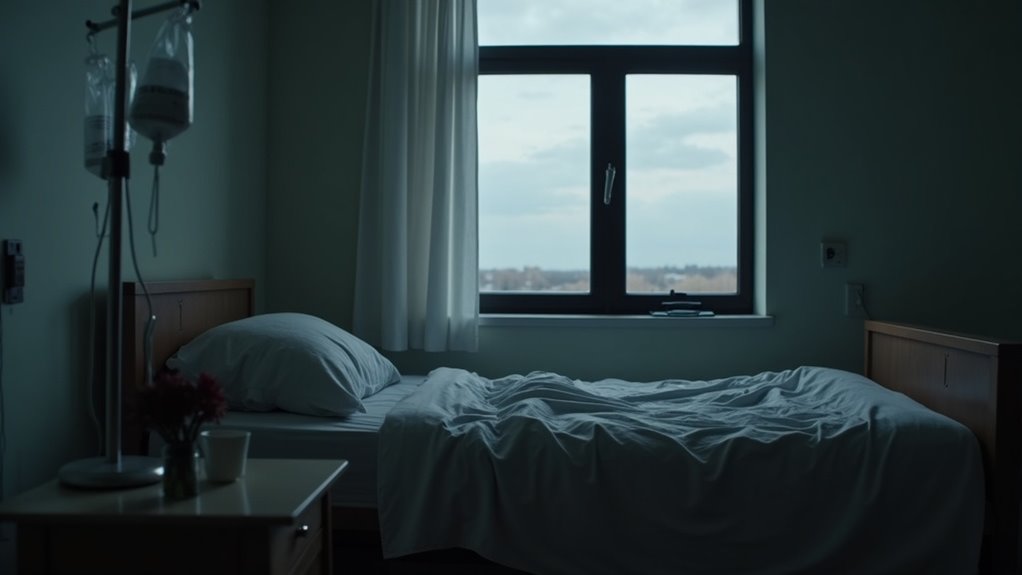

In a world where healthcare should be about healing, the reality of end-of-life care often feels like a cruel joke. Envision this: 10% to over 30% of hospice patients still end up dying in hospitals. That’s right, despite being in hospice, a supposed haven for comfort, many find themselves in sterile hospital rooms instead. And why? Because one in five adults still dies during a hospitalization, often in the ICU. It’s a grim statistic that highlights a broken system.
The costs are staggering. A whopping 25% of U.S. healthcare spending is funneled into just 6% of people in their final year. It’s like throwing money into a pit. Yet, when hospice enrollment increases, hospital ICU use drops. Seems logical, right? Palliative programs have shown that early intervention can reduce ICU admissions and even shorten stays. You know, when people actually take the time to plan, everything works out better. Palliative care contributes to decreased length-of-stay for patients. Crisis Standards of Care are essential for prioritizing limited resources during health crises.
A staggering 25% of healthcare spending goes to just 6% of people in their final year; early hospice enrollment can change that.
Improvement is possible. After some interventions, the availability of opioid pain medication soared from 57.1% to 83.2%. Do-not-resuscitate orders climbed from 61.9% to 85.1%. That’s progress, but still, too many patients suffer.
The sad truth? Eighty percent of AIDS or cancer patients endure moderate to severe end-of-life pain. That’s a staggering figure. And only 40% of countries manage to help at least half of those in need.
The system is in dire need of change. Integrate palliative care into national health systems, they say. Train health professionals in these skills, they urge. Meanwhile, patients linger in pain, caught in a web of bureaucracy.
And let’s not forget the community aspect. Family volunteers could help, but that’s rarely prioritized.
In the end, it’s clear. The end-of-life care crisis isn’t just a headline; it’s a reality that many face, often alone. It’s time for a serious reevaluation.