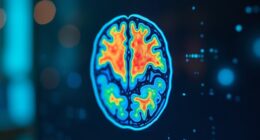

In a world where technology often takes the lead, AI is striding into nursing practice environments like it owns the place. And honestly, it’s about time. With machine learning on its side, diagnostic accuracy and clinical decision-making are getting a much-needed upgrade. AI isn’t just throwing algorithms at problems; it’s predicting issues before they escalate. Predictive analytics allow for early intervention and personalized care plans. Who wouldn’t want their care tailored to them, rather than the cookie-cutter approach?
AI is revolutionizing nursing, enhancing diagnostic accuracy and personalizing care like never before.
On the operational side, robotic process automation is taking the grunt work off nurses’ plates. Documentation? Scheduling? Now, those tedious tasks can be handled by machines. It’s like having a personal assistant who never complains. This automation means nurses can focus on what they do best: caring for patients. And that’s essential. Efficient resource allocation through AI tools makes hospitals run smoother, which is a win for everyone—except maybe those overworked admins. With the projected healthcare workforce shortage looming, effective use of AI could alleviate some of the staffing pressures currently faced by the industry.
But let’s talk about patient safety. Real-time monitoring can catch deteriorating conditions before they spiral out of control. Imagine a world where physical robots help keep patients safe and comfy, or where early detection of problems means fewer complications. It’s a dream come true, right? Moreover, the integration of AI can significantly improve health outcomes, ensuring that patients receive the best possible care tailored to their needs.
Except, there’s a catch. Data privacy concerns and the constant struggle to integrate AI into existing workflows are real hurdles. Resistance to change is a tough nut to crack. Some staff feel a bit uneasy about machines taking over even a fraction of their roles.
And then there’s the emotional aspect. Younger nurses seem optimistic about AI augmenting their empathy rather than replacing it. But let’s be honest: the road to full adoption is bumpy. Training, ethical dilemmas, and infrastructure issues need addressing.
Still, there’s hope. AI can enhance nursing practice environments. So, does it promote positive change? The jury’s still out, but the evidence is stacking up.