When doctors blast cancer with radiation, they’re not just targeting tumors. They’re accidentally hitting the brain too, and the collateral damage is brutal.
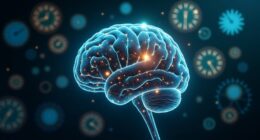
Radiation-induced cognitive decline turns sharp minds into foggy shadows of their former selves. The hippocampus takes the worst beating. This brain region, vital for memory and learning, relies heavily on neurogenesis—the birth of new brain cells. Radiation fundamentally sterilizes this process. Instead of creating fresh neurons, the brain starts pumping out astrocytes, which are support cells that don’t help with thinking.
Radiation doesn’t just kill cancer—it sterilizes the brain’s ability to birth new neurons, replacing sharp thinking with cognitive fog.
Memory goes first. Then spatial cognition crumbles. Patients who once navigated complex problems suddenly can’t remember where they parked their car. The damage isn’t just about fewer brain cells—it’s about chronic inflammation that keeps the brain in a constant state of irritation.
Radiation wreaks havoc through multiple pathways. DNA gets shredded. Free radicals run wild, creating oxidative stress that’s like rust spreading through delicate brain tissue. The blood-brain barrier, normally a fortress protecting neural tissue, develops leaks. Microglia, the brain’s immune cells, go haywire and start attacking healthy neurons. Recent research reveals that chronic changes in microglia show significant overlap with changes seen in natural aging, suggesting radiation may be accelerating aging-related changes in the brain. Studies show that patients receiving high-dose radiation above 30 Gy experience more severe cognitive deterioration compared to those receiving lower doses.
Scientists aren’t sitting around wringing their hands though. They’re developing brain-sparing strategies that sound like science fiction but might actually work. Modified radiation techniques aim to minimize brain exposure while still zapping tumors effectively.
The really exciting stuff involves stem cell transplantation. Researchers are literally injecting new neural stem cells into damaged brains, hoping to restart the neurogenesis engine. Anti-inflammatory treatments could cool down the chronic brain inflammation that keeps cognitive decline rolling long after radiation ends. Public health nurses are increasingly involved in educating patients about these emerging treatment options.
Animal studies show promise, but animals aren’t humans. Different radiation doses produce varying levels of brain damage, making treatment protocols tricky to nail down. Some researchers are investigating neuroprotective agents that could shield neurons during radiation therapy.
The stakes couldn’t be higher. Without intervention, radiation-induced cognitive decline can escalate into dementia-like conditions. Patients survive cancer only to lose their minds in the process. That’s not exactly a victory worth celebrating.