
AFib, or atrial fibrillation, isn’t just a mouthful; it’s a condition that can lead to some serious problems, like strokes. Enter the world of AFib stroke-prevention devices, where innovation meets necessity. The FDA has given a thumbs-up to devices like the Watchman, Amplatzer Amulet, and Watchman FLX, all designed to tackle the tricky business of preventing strokes in nonvalvular AFib patients.
Each device has its own backstory, with the Watchman being the oldest, having been approved in 2015. It’s like a superhero for your heart—if your heart were a crime scene.
These devices are meant for folks with elevated CHADS2 or CHA2DS2-VASc scores—basically, if your risk of stroke is high enough, you might want one of these gadgets. They block the left atrial appendage (LAA), a little pouch in the heart that’s notorious for being a clot factory.
Let’s be real: blood thinners can be a pain. After 1-2 months of anticoagulation post-implant, many patients can ditch those pesky meds. Anticoagulant medications are the main treatment for stroke prevention in atrial fibrillation, emphasizing the importance of these devices. Higher stroke risk is observed in Black and Hispanic patients compared to White patients, highlighting the need for tailored approaches in stroke prevention.
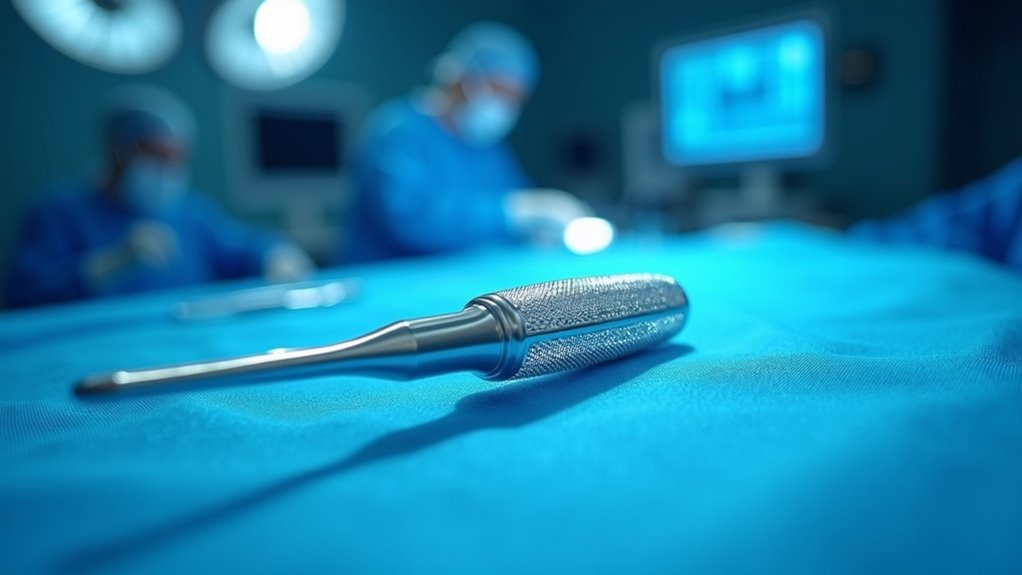
The procedure to implant these devices isn’t exactly a walk in the park. A catheter goes in through the groin. Talk about awkward. But in about an hour, patients can often go home the same day. So, yes, it’s less invasive than open-heart surgery, but it still makes you wonder how far we’ve come.
Implanting these devices isn’t a stroll in the park—think groin catheter and quick same-day recovery, but still a leap forward!
Efficacy studies show that the Watchman may cut stroke risk by 77% for those who can’t take blood thinners. That sounds great, right? But there’s a catch. The risks of the procedure have to be weighed against the risk of bleeding from anticoagulation. Real-world data is still coming in, tracking events like strokes and even death.