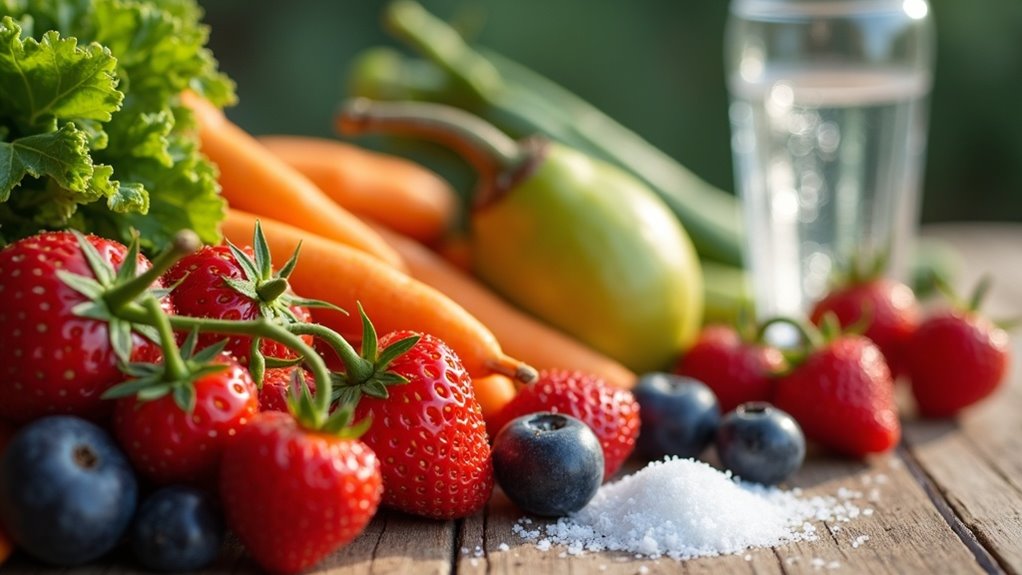

Microplastics in foods? Yeah, it’s a thing. These pesky particles, less than 5 mm in size, are everywhere—seeping into marine, freshwater, and even terrestrial food chains. We’re talking about seafood, meat, dairy, fruits, veggies, sugar, salt, and honey. In fact, about 57–80% of these plastic particles come from—surprise, surprise—our beloved aquatic sources, especially seafood. So, if you thought you were just eating fish, think again. You might be munching on microplastics instead.
Recent studies show that microplastics contamination is a global issue, affecting food security and exposing humans to these tiny invaders. They’ve been found in human urine, stool, blood, and organs. So, your diet isn’t just affecting your waistline; it’s also filling you with plastic. Awesome, right?
The numbers are staggering. A mapping study spanning 109 countries from 1990 to 2018 revealed a continuous increase in microplastic intake through food, particularly from fish. In the U.S., estimates suggest that individuals consume between 39,000 and 52,000 microplastic particles annually. And if you’re breathing, that number jumps to 74,000–121,000.
Bottled water? Yeah, that could add another 90,000 microplastics to your annual total. So much for staying hydrated.
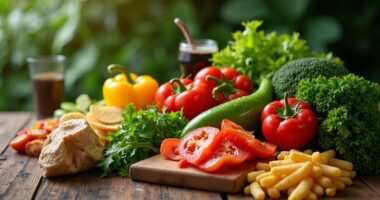
Let’s not forget fruits and vegetables. Recent surveys show that every single sample of commonly consumed produce contained microplastics—210 particles in total. Tomatoes lead the pack, with an average contamination of 3.63 particles per gram. Kids may be consuming up to 68.24 particles per kilogram daily. That’s just delightful, isn’t it? Additionally, highly processed foods show greater microplastic contamination than less processed options, further complicating our food choices. Consumption of bottled water increases microplastic ingestion significantly, adding to the overall burden.
The culprits are environmental pollution and contamination throughout the food supply chain. From farm to table, microplastics are hitching a ride. It’s a grim reality—eating has never been so complicated. Bon appétit!