
In a world where high blood pressure can feel like a ticking time bomb, a groundbreaking 10-minute scan is stepping in to save the day—or at least, to save people from endless guessing games about what’s causing their hypertension. This isn’t your average medical test; it’s a game changer.
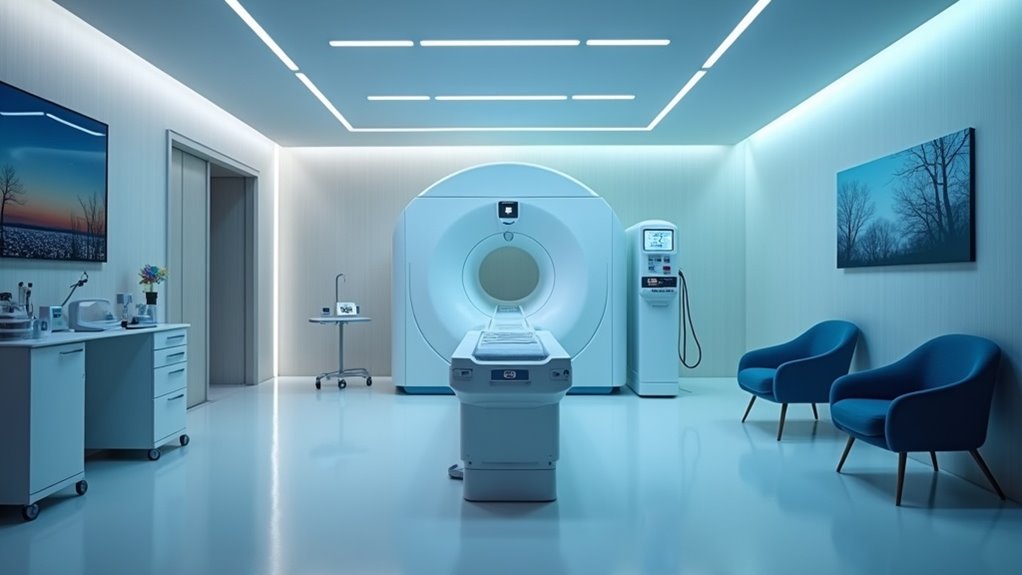
Utilizing a slick combination of CT or PET-CT scan and a radioactive tracer, this scan zeroes in on aldosterone-producing nodules in adrenal glands. The secret sauce? A specialized tracer that latches onto the aldosterone synthase enzyme. It’s like a superhero for your hormones, producing images that reveal tiny nodules that traditional scans would totally miss.
The scan takes only about 10 minutes. That’s less time than it takes to scroll through social media. Painless and quick? Yes, please! During trials, it nailed the detection of nodules in every single tested patient. That’s right, every. Single. One. High blood pressure often has a sneaky culprit—primary aldosteronism—which affects about 1 in 20 hypertensive people. In fact, nodules found in 1 in 20 people with high blood pressure highlight the prevalence of this condition. This innovative technology is set to streamline diagnosis and reduce unnecessary surgeries for those affected.
In just 10 minutes, this painless scan identifies nodules in every patient, revealing the hidden cause of high blood pressure.
This scan can pinpoint the source of aldosterone overproduction, opening the door for targeted treatments, including surgical removal of those pesky nodules. Imagine kicking your blood pressure meds to the curb after a successful procedure. Sounds great, right?
Let’s not forget the old ways. Traditional diagnostic methods were invasive and complicated, with a high failure rate. Those days of juggling multiple tests and invasive catheter procedures are becoming a thing of the past. This new scan matches or even beats the accuracy of those invasive alternatives.
In trials, it correctly identified the source of aldosterone overproduction without side effects. With this technology, patients can expect personalized treatment plans and a real chance at reducing dependence on lifelong medications.
The future of hypertension management might just be a 10-minute scan away. And honestly, who wouldn’t want that?