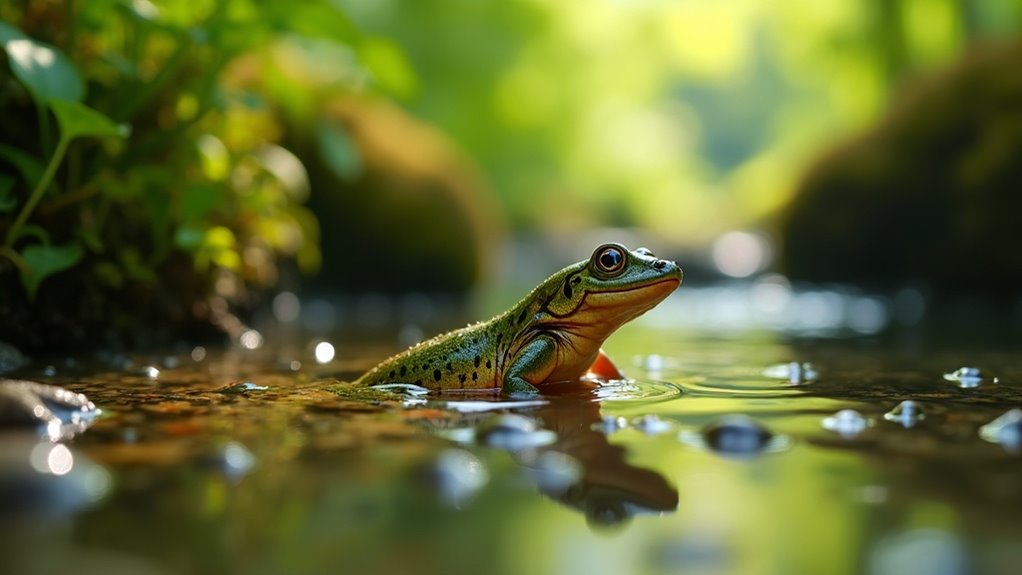


When it comes to heart injuries, most people think of scars and damage—like a bad breakup that just won’t heal. But hold on a second. Have you heard about the healing powers of newts and axolotls? These creatures have a party trick that puts mammalian hearts to shame. They can regenerate their heart tissue completely after injury, and guess what? No scars! Just good old-fashioned tissue replacement and functional recovery, all within about 90 days. That’s right. A complete makeover without the emotional baggage.
After a cardiac injury, these little guys get to work fast. First, they form a clot. Then, by day seven, they’re laying down a mix of fibrin and collagen. But wait, it gets better! Over the next 50 days, they crank up cellular proliferation. Those heart muscle cells, or cardiomyocytes, even take a little detour, de-differentiating to make way for fresh muscle. It’s like hitting the reset button on a video game—no permanent damage, just a fresh start. In contrast, failing hearts show minimal innate cardiomyocyte renewal, highlighting the remarkable regenerative abilities of these creatures compared to mammals. Interestingly, recent studies suggest that transplanted stem cells stimulate host repair, further emphasizing the potential for regeneration in heart tissue after injury.
Now, let’s talk about the extracellular matrix. Sounds fancy, right? The truth is, it’s basically the scaffolding that keeps everything together. After an injury, genes responsible for this matrix jump into action. They create a sturdy framework, allowing cardiac progenitor cells to join the repair team. Much like how spatial transcriptomics helps scientists understand tissue structure and function, the extracellular matrix provides crucial insights into heart repair mechanisms. Depending on the injury’s location or how much tissue was resected, the results can vary. Some scarring can happen, but overall, the regenerative response is impressive.
And then there’s the Hippo pathway. Yes, you read that right. This pathway controls heart growth and keeps things in check. Scientists found that tweaking components of this pathway can boost regeneration. In some cases, it can even shrink scar size after a heart attack. So, while humans are busy dealing with heartbreak, these little creatures are out here showing us how to really recover. Who knew healing could look so effortless?