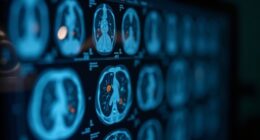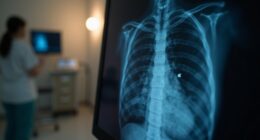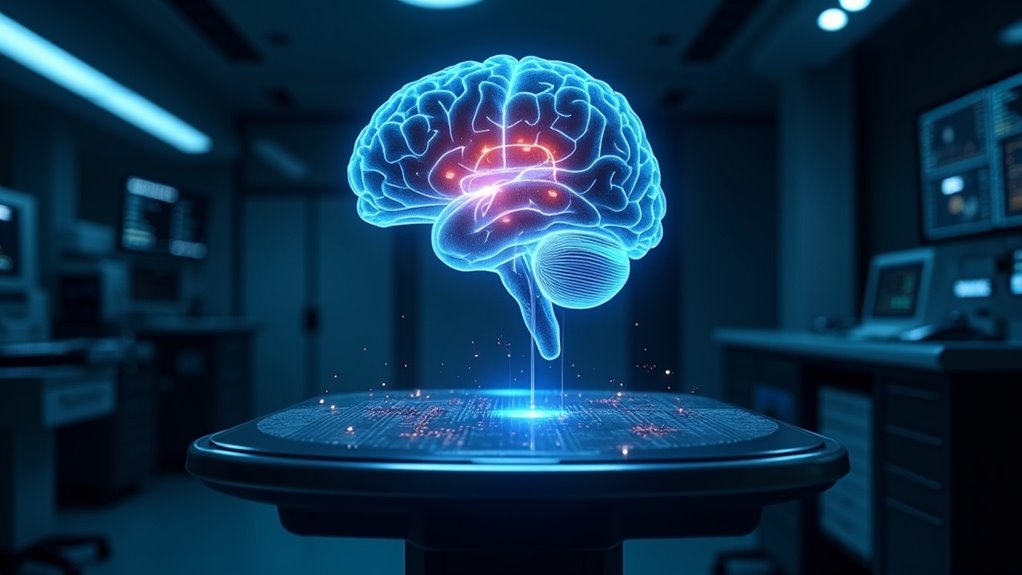
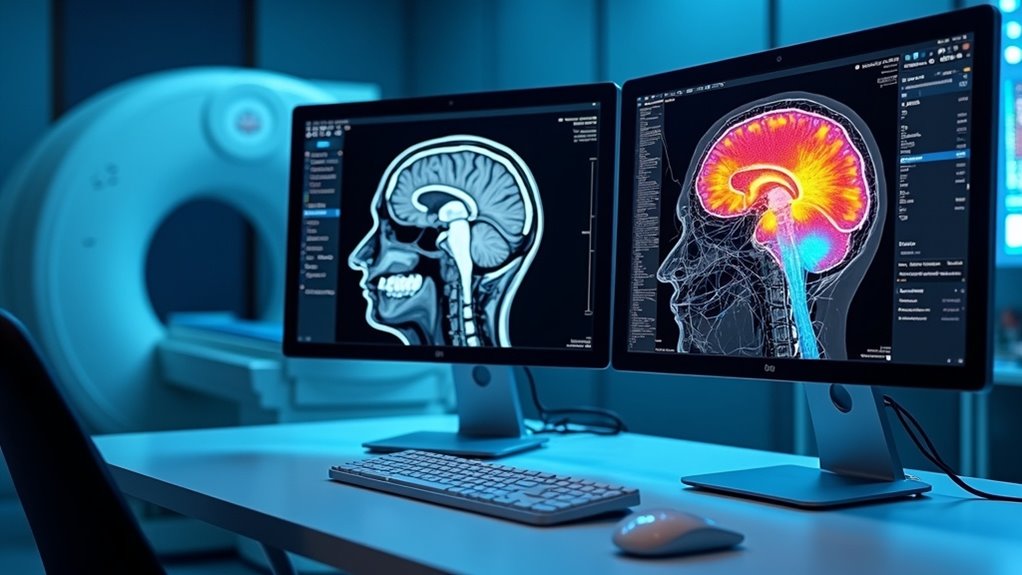
The transformation is brutal in its effectiveness. Deep learning algorithms, particularly convolutional neural networks, are detecting patterns that human eyes simply miss. These aren’t just fancy computer programs—they’re spotting cancers, neurological conditions, and cardiovascular disease earlier than ever before. The sensitivity and specificity rates? Often surpassing 90% in certain diagnostic areas. That’s not just good. That’s scary good.
AI isn’t just improving medical diagnosis—it’s achieving accuracy rates that make human-only detection look dangerously inadequate.
Machine learning models are doing more than playing spot-the-difference with medical images. They’re predicting disease progression, quantifying features, and basically becoming crystal balls for patient outcomes. Meanwhile, federated learning lets hospitals collaborate on AI training without sharing sensitive patient data. Smart move, considering privacy concerns.
Here’s where things get interesting: the LILAC system. This breakthrough tracks subtle changes in serial imaging over time. Think of it as AI with a photographic memory, catching minute differences that might signal disease progression or treatment response. It’s applicable across diverse medical datasets, making it a Swiss Army knife for longitudinal analysis.
Cloud computing and big data analytics have solved the storage nightmare. Massive imaging datasets that once overwhelmed systems now get processed seamlessly. Remote monitoring technologies are enabling real-time analysis of patient imaging data from home settings. Workflow efficiency has improved dramatically, slashing radiologist workload and turnaround times.
The FDA has started clearing AI-enabled medical devices, which signals genuine trust in the technology. These aren’t experimental toys anymore—they’re legitimate diagnostic tools earning regulatory approval.
Explainable AI addresses the black box problem. Doctors need to understand why AI makes certain recommendations, and transparency builds trust. Real-time image analysis provides immediate clinical decision support, vital in acute settings where every second counts.
Generative AI architectures are reconstructing and enhancing low-quality images. Missing data? No problem. Poor image quality? Fixed. The integration with genomics and electronic health records creates thorough patient profiles. Modern AI systems now serve as AI companions for radiologists, providing crucial support when analyzing complex scans and difficult cases.
Computer-aided diagnosis systems now provide reliable second opinions, reducing human error. MIT’s breakthrough MultiverSeg tool revolutionizes image segmentation by requiring significantly fewer manual interactions while maintaining accuracy above 90%. The technology has moved from experimental to essential. Medical imaging isn’t just evolving—it’s revolutionizing how doctors see disease.