

Medical schools have finally figured out something that should have been obvious decades ago: students need to know what they’re supposed to learn before they graduate. This revolutionary concept is called competency-based education, where clearly defined outcomes tell students exactly what abilities they need to demonstrate. Who would have thought?
The new approach organizes learning through developmental milestones. Six core competencies now define what doctors should master: Professionalism, Patient Care, Medical Knowledge, Practice-Based Learning, Interpersonal Skills, and Systems-Based Practice. These aren’t just buzzwords thrown around faculty meetings. They’re actual standards based on what society needs from healthcare providers. With specialized skills gaps growing in healthcare, these competencies have become more crucial than ever.
Gone are the days when medical education was just memorizing anatomy and pharmacology. Now schools integrate three science pillars throughout training: biomedical science, clinical science, and health systems science. Courses have co-directors representing each pillar, ensuring students get the full picture. Biomedical science covers human biology and disease. Clinical science applies that knowledge to actual patient care. Health systems science teaches how healthcare delivery actually works.
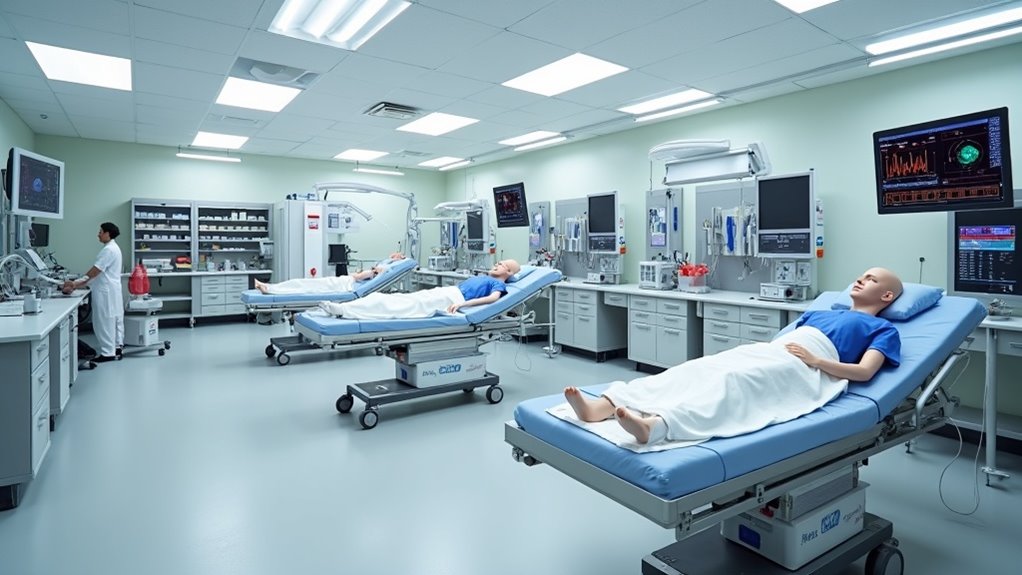
Students don’t wait until their third year to see patients anymore. Early clinical experiences include standardized patient sessions and simulation training. Longitudinal clinical experience puts students in ambulatory clinics throughout their education. They learn about the “whole patient,” not just symptoms and diagnoses but goals, values, and family dynamics.
Assessment has evolved beyond multiple-choice tests, though those still exist. Schools use formative assessments for improvement and summative assessments to measure program quality. Milestones track skill development along the professional continuum. Students face peer instruction, weekly quizzes, and national standardized exams. Assessment questions link directly to learning objectives, creating accountability.
Flexibility has become essential. Students can choose elective pathways in community health or rural medicine. Self-directed learning time has expanded, recognizing that student wellbeing matters. E-learning modules provide asynchronous options for busy schedules. Intersessions allow customization at various curricular points. Programs emphasize diverse educational experiences to accommodate different learning styles and career interests.
Professional development gets embedded throughout training. Students learn teamwork, interprofessional collaboration, and ethical reasoning. Communication skills development runs parallel to clinical training. The curriculum emphasizes social accountability and community responsiveness, preparing doctors who understand their role in larger healthcare systems.