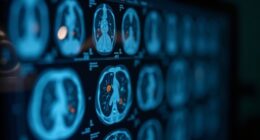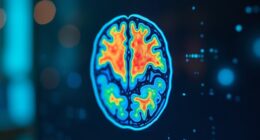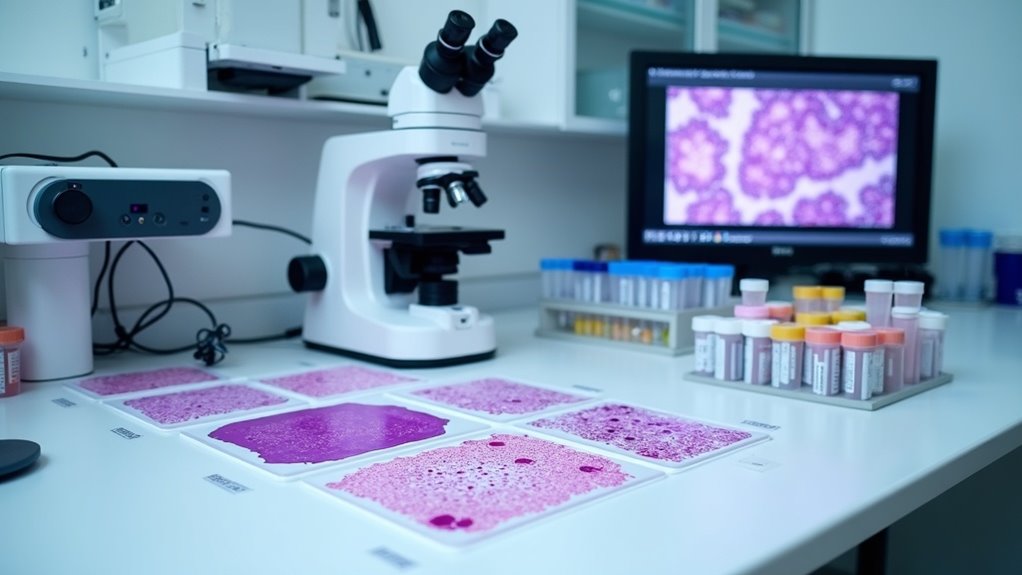

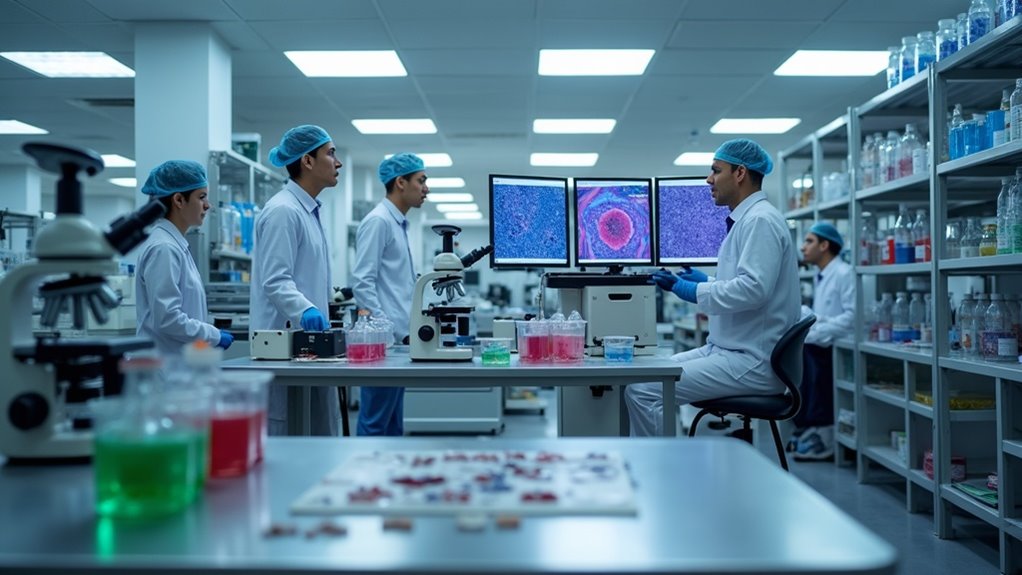
Pathology serves as the backbone of laboratory medicine through disease identification and classification. Pathologists analyze blood, urine, tissues, and cells using clinical, microscopic, molecular, and radiologic data. They’re the detectives of medicine, piecing together clues from multiple sources. Morphological criteria remain the gold standard for diagnosis, though immunohistochemistry adds refinement, especially for cancer cases.
The field splits into distinct subspecialties, each tackling specific body systems. Clinical pathology handles fluids and broad disease identification through biochemistry, hematology, and microbiology. Anatomic pathology focuses on tissue and cellular diagnosis. Molecular pathology applies DNA and RNA techniques like PCR and next-generation sequencing for genetic, cancer, and infectious conditions. Specialized labs cover dermatopathology for skin, neuropathology for the central nervous system, and hematopathology for blood disorders. Like clinical trial phases, pathology follows systematic protocols to ensure reliable results.
Treatment decisions hinge on pathological findings. Tumor typing and staging guide cancer therapy selection and outcome predictions. Identifying specific markers like HER2 or ER enables targeted treatments, sparing patients from unnecessary broad-spectrum therapies. Real-time assessment helps modify treatments based on response. These ongoing tests provide essential feedback to healthcare providers for adjusting therapeutic approaches throughout the treatment process.
Pathology’s role extends into prevention and personalized medicine. Labs identify risk factors and preclinical disease states, enabling early intervention. Screening tests developed through pathological research improve population health outcomes. Molecular profiling creates personalized risk assessments, guiding lifestyle changes or prophylactic treatments. Pathologists enhance their educational impact by teaching medical students fundamental pathology principles and diagnostic techniques.
The research component drives medical innovation. Pathology labs develop novel diagnostic tools and biomarkers, pushing the boundaries of what’s detectable. Next-generation sequencing increases diagnostic sensitivity and specificity, making previously impossible diagnoses routine.
Without pathology, modern medicine would stumble in darkness. Differential diagnosis relies on correlating clinical presentation with laboratory results. Pathologists use mental models integrating etiology, pathogenesis, clinical course, and treatment response. Their accurate diagnoses guide therapeutic decisions, patient management, and prognosis estimation. Early detection reduces morbidity and healthcare costs associated with late-stage disease. Simply put, pathology transforms medical guesswork into scientific certainty.